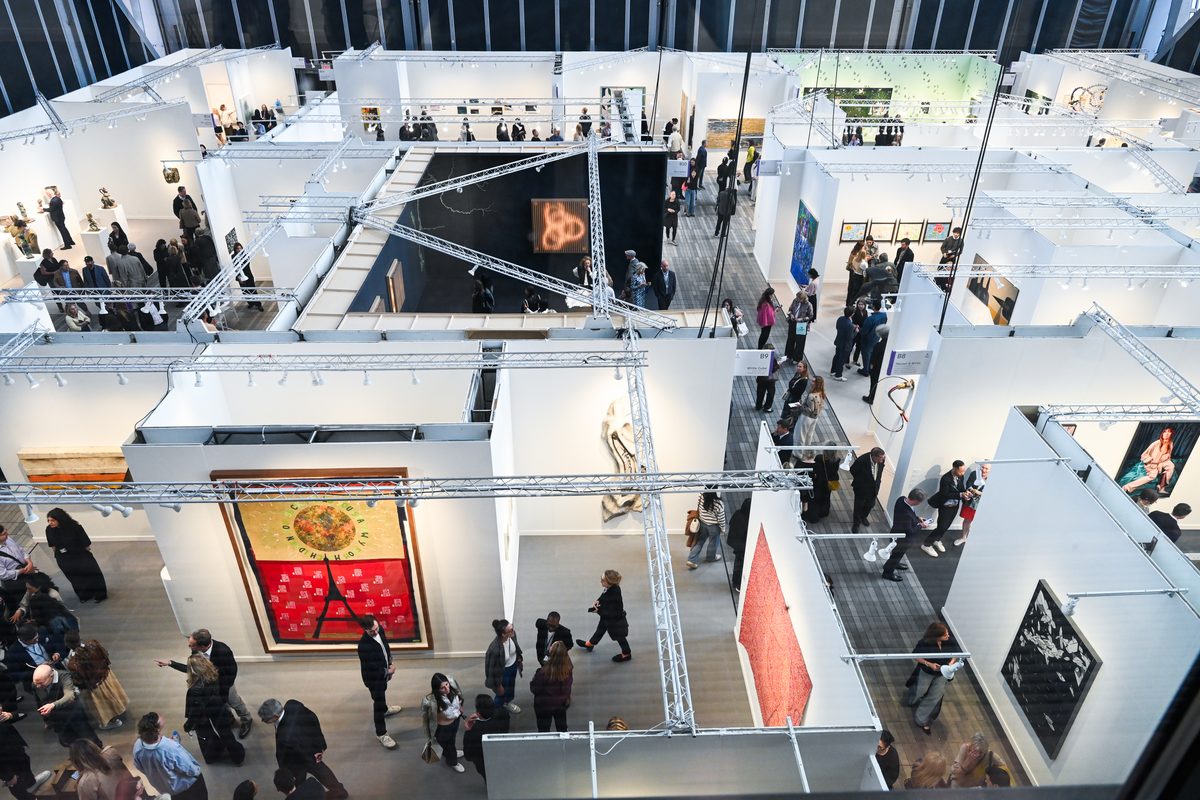
Every art fair carries its own rhythm. Some are contemplative, others energetic, still others market-driven. Frieze New York, however, has always had its own atmosphere. This year's edition was unmistakably alive with dialogue — between artists and institutions, collectors and emerging voices, established names and new perspectives.
From the moment we entered, it became clear that this was not simply a spectacle but a meaningful exchange. As longtime attendees of art fairs in Los Angeles and London, our team came with an appreciation for the distinct identity each city unfolds. Art Basel often reflects Europe's historical and institutional rigor. Frieze London carries a particular intensity rooted in the city's fast-moving cultural capitals. Yet even within the familiar, this year's New York edition offered something different: a renewed sense of intimacy and thoughtfulness.
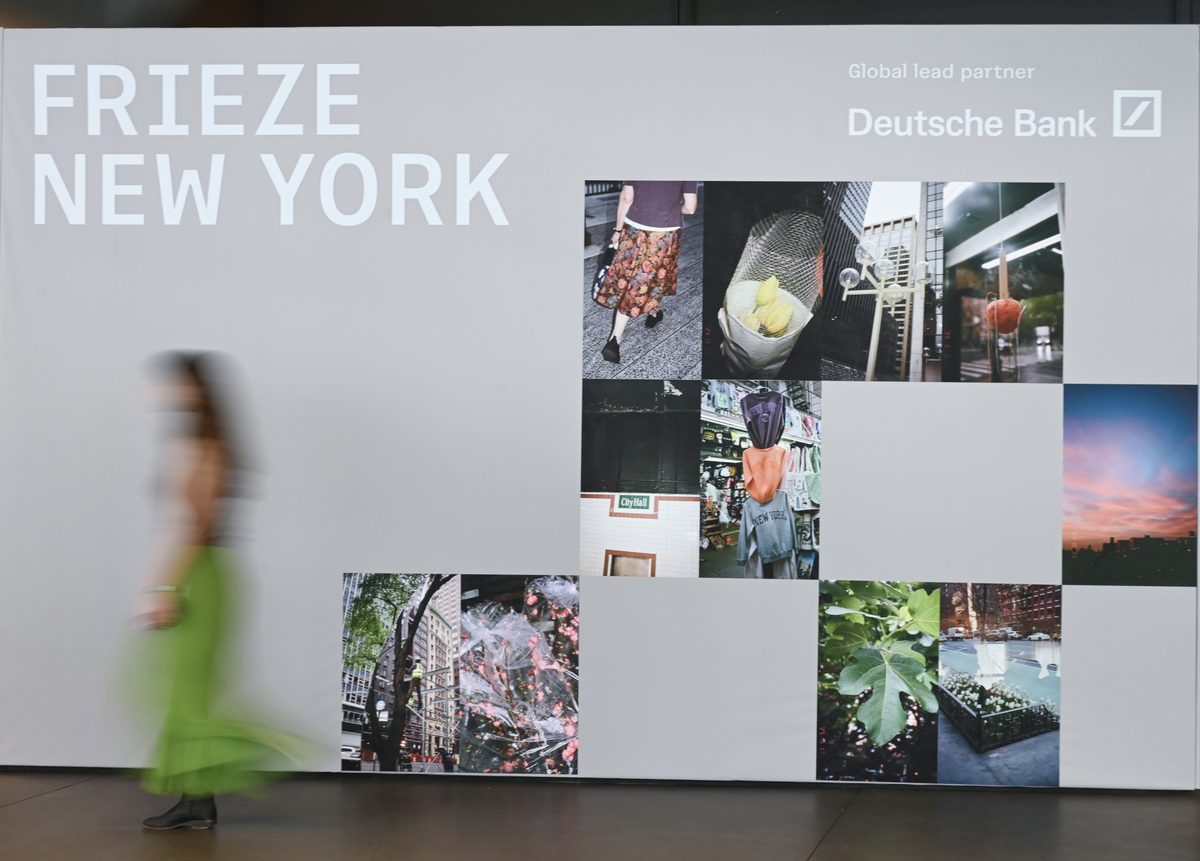
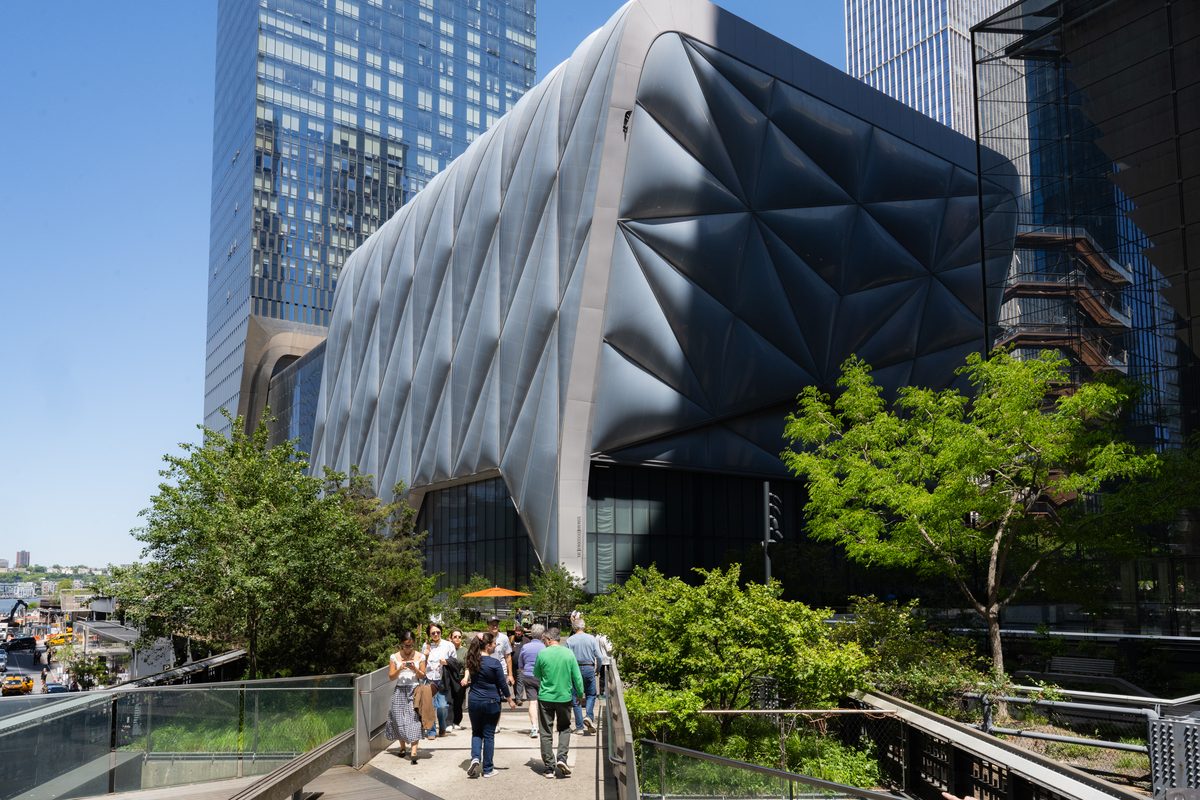
Situated in Hudson Yards, Frieze once again demonstrated why its venue remains such a compelling architectural stage for contemporary art. Natural light filled the expansive booth spaces in a way that felt less transactional and more designed for contemplation, encouraging visitors to move fluidly between monumental works and subtle, deeply personal pieces.
The presentations spanned Europe, Asia, and Latin America, with an increasingly global roster. Among the standout booths, Hauser & Wirth offered a carefully curated dialogue between established and emerging artists. David Zwirner and Gagosian emphasized museum-quality presentations with large-scale mixed-media installations. Thaddaeus Ropac showcased work across photography and sculpture, while Sadie Coles HQ presented found-object assemblages that spoke to a broader evolution beyond traditional media.
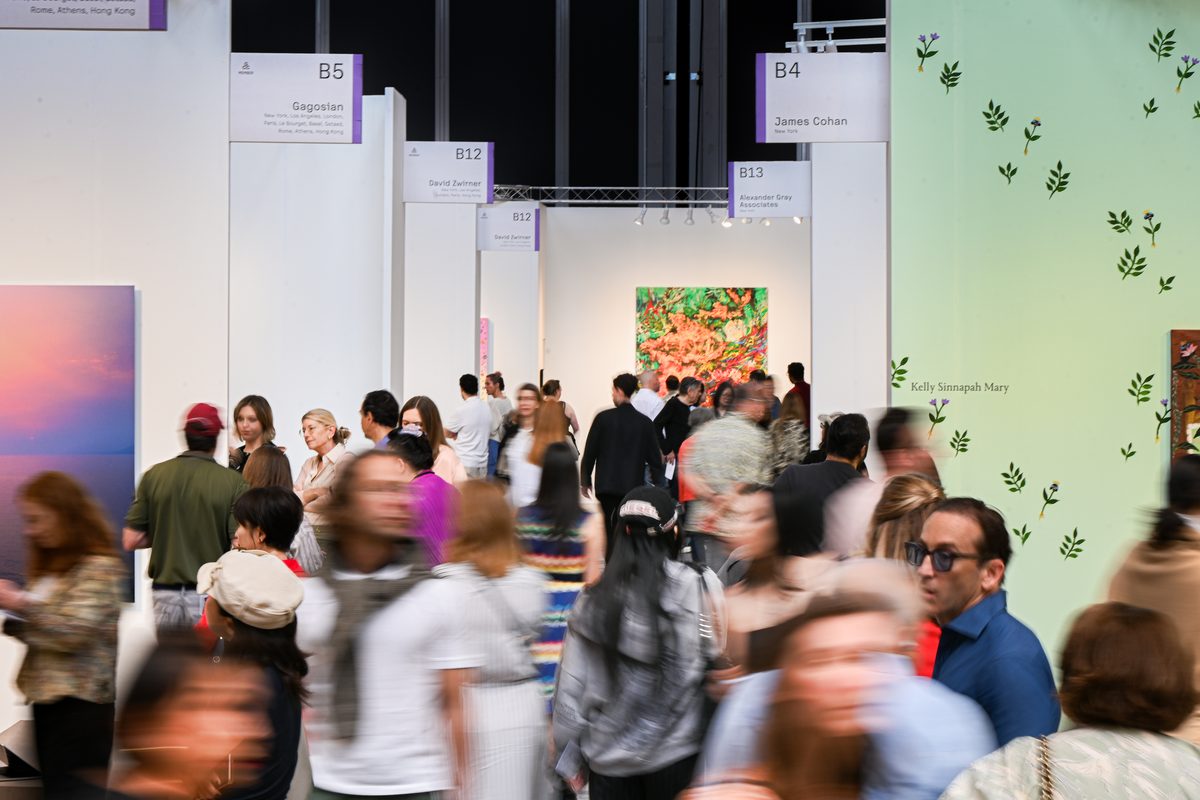
Korean galleries continued to expand their footprint at Frieze. The growing presence of Seoul-based galleries and Korean artists reflects a broader trend: Korean contemporary art is no longer a niche category but a central part of the global conversation. From PKM Gallery's refined presentations to younger spaces bringing emerging Korean voices to an international audience, the Korea-New York art corridor is strengthening with each edition.
Frieze's ecosystem extends well beyond the booth walls. Neighborhood galleries in Chelsea, Tribeca, and the Lower East Side activate in parallel, creating a week-long cultural density that distinguishes New York from every other art capital. The city's network of museums, biennials, and independent spaces creates an infrastructure that makes Frieze not just an event, but a moment.
KORISE will continue covering the intersection of Korean culture, global art, and the institutions that connect them. Frieze New York 2026 was proof that the conversation is only getting richer.
Photos courtesy of Frieze. Photography by Casey Kelbaugh.